The first few bites of a meal can set the tone for everything that follows. That’s the idea behind antipasto, an Italian word that means before the meal. On a restaurant menu, antipasti is the plural term used for a range of appetizers or starters.
An antipasto doesn’t have to be complicated. It might feature cheese, vegetables, cured meats, olives, or a small cooked dish. The goal is to wake up your appetite and create an easy beginning to lunch or dinner.
What usually comes in an antipasto course?
There isn’t a single fixed antipasto plate. Options may include marinated vegetables, a cheese selection, bruschetta, fried bites, cured meats, or a composed small dish. Regional preferences and restaurant style influence what appears.
That flexibility is useful for diners. You can start light before a substantial pasta or choose a more indulgent starter to share with friends.
Antipasto versus appetizer: is there a difference?
In everyday restaurant use, the two ideas overlap. Antipasto is the Italian term for the course that comes before the main meal. Appetizer is the broader English-language word you see across many cuisines.
An antipasto can be served family-style or as an individual dish. An elaborate charcuterie-style platter is only one possible version; there are also warm, freshly cooked antipasti.
How should you choose a starter with pasta?
Think about contrast. If your main course is a rich, cheese-forward pasta, consider a smaller or brighter starter. If the pasta is tomato-based and relatively light, you may enjoy something warm and crisp beforehand.
Sharing is often the easiest way to explore a menu. One starter for the table gives everyone a taste without filling up before the main dishes arrive.
Are antipasti always meat-based?
No. Many traditional antipasti emphasize vegetables, herbs, bread, or cheese. Others feature meat or seafood. Menu details matter more than the category label, especially for anyone avoiding certain ingredients.
Also remember that vegetarian, dairy-free, gluten-free, and vegan are different requirements. Cheese-based starters, fried items, and bread-based dishes may not suit every guest. Ask directly about ingredients and preparation.
Italian starters at BASTA Pasteria
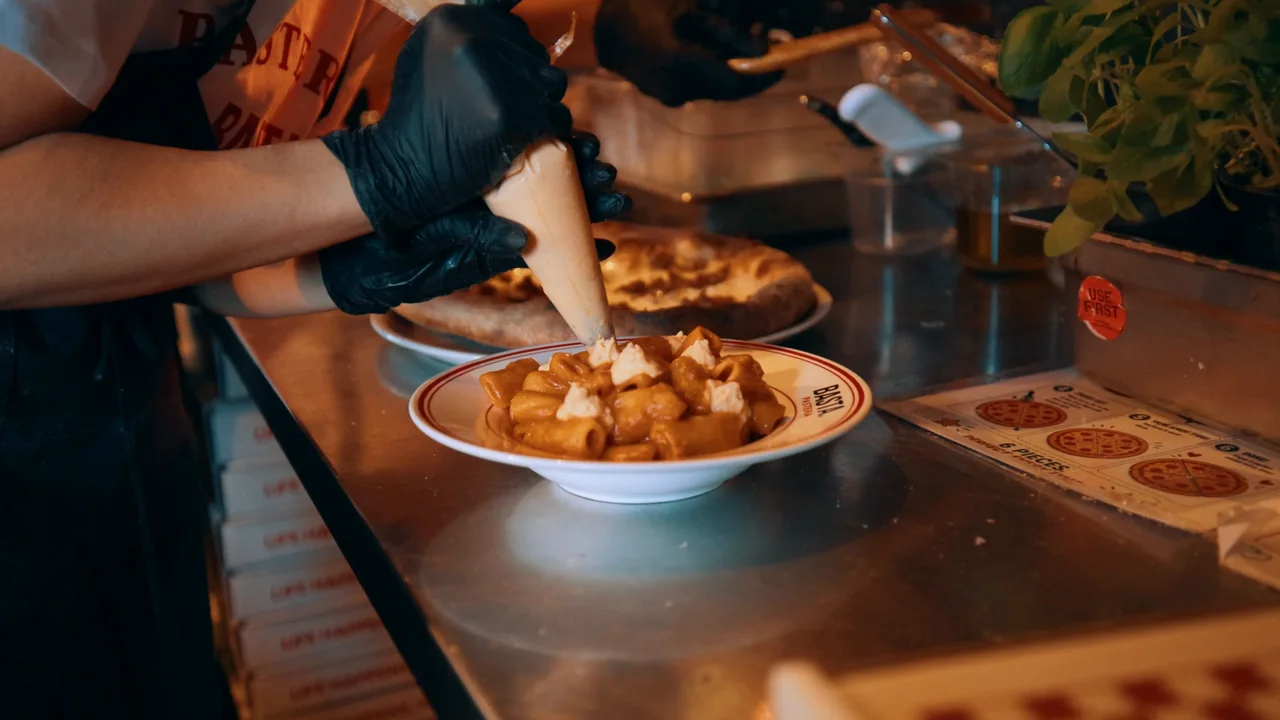
BASTA Pasteria’s online menu includes an Antipasto section with starters to share. Menu examples include fried rice balls served with tomato sauce. Availability can change, so the live menu is the best place to see what’s being served now.
If you’re planning a meal with several people, build it around one or two starters, a mix of pastas and pizza, and perhaps dessert. Explore Murray, Draper, or catering options when you need to feed a larger group.