Is fresh pasta automatically better than dried pasta? Not necessarily. Both have deep roots in Italian food, and both can be excellent. The real difference is in how they’re made, how they cook, and the texture they bring to a dish.
Understanding those differences can help you choose a meal based on what you love about pasta, not just on a label.
What is fresh pasta?
Fresh pasta is made into dough, rolled or shaped, and used without going through the industrial drying process that makes shelf-stable pasta possible. Many fresh pasta recipes use flour and eggs, although ingredients can differ.
It often has a tender, supple texture. Depending on the shape and thickness, it may cook in just a few minutes. Fresh pasta is especially popular for wide ribbons, filled shapes, and preparations where the mouthfeel is meant to be delicate.
What is dried pasta?
Dried pasta is made to be shelf-stable. Many familiar versions use durum wheat semolina and water, although specialty versions vary. After shaping, the pasta is dried so it can be stored and cooked later.
Good dried pasta isn’t a shortcut. It has its own strengths, including a distinct firmness and the ability to stand up to certain robust sauces. Some Italian dishes are traditionally more associated with dried shapes than fresh ones.
How does the texture compare?
Fresh pasta often feels softer and more delicate, while dried pasta usually offers a firmer bite when cooked al dente. Neither texture is universally preferable. The sauce matters: a soft ribbon under a rich ragù creates a different experience from a springy tube coated in tomato sauce.
The thickness, flour, hydration and cooking method can all affect the outcome. Fresh pasta can still be chewy, and dried pasta can be tender; the distinction isn’t absolute.
Is fresh pasta healthier?
Not automatically. Nutritional content depends on ingredients, portions, sauces and additions. A plate of fresh pasta with a very rich sauce isn’t inherently lighter than dried pasta with vegetables and a simple tomato sauce. If nutrition or allergens matter to you, review the actual dish rather than relying on whether the pasta is fresh.
What should you order at an Italian restaurant?
Choose according to the experience you want. If you enjoy a soft, satisfying noodle that takes well to a thoughtfully prepared sauce, fresh pasta can be a treat. If you enjoy a pronounced al dente bite, a dried shape may be equally appealing.
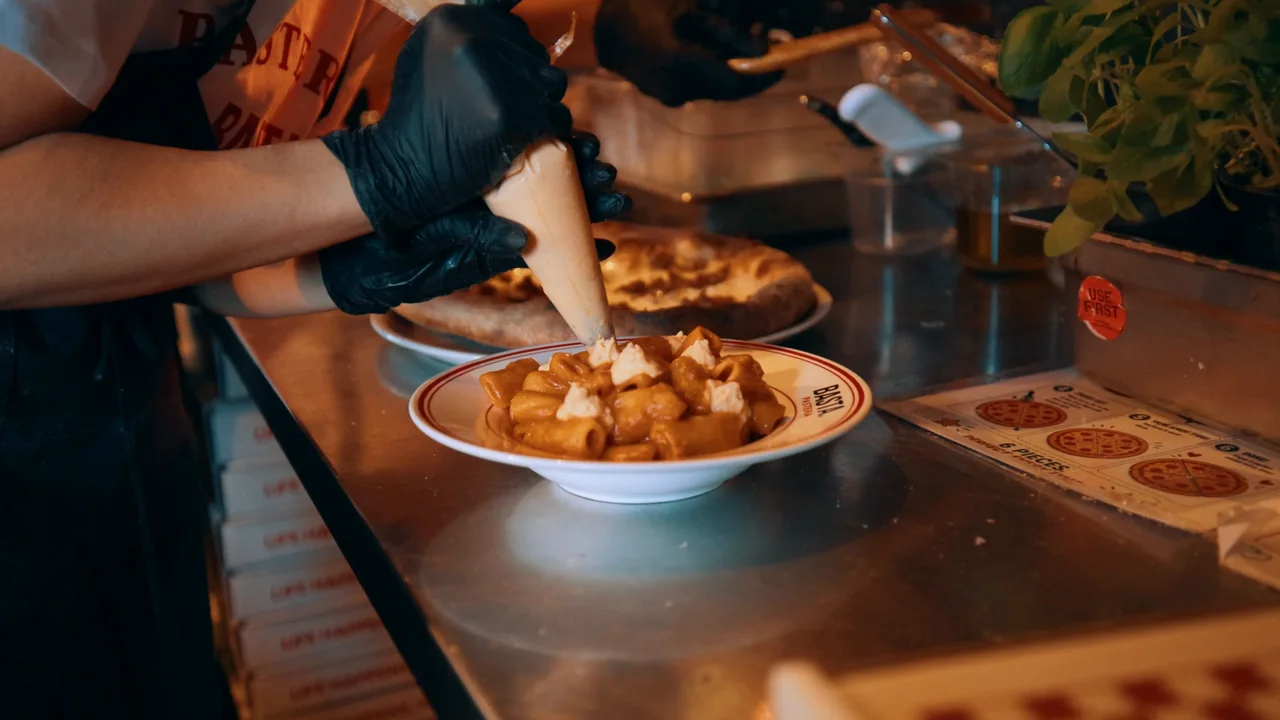
BASTA Pasteria describes making pasta in-house daily, and its menu showcases dishes ranging from Pappardelle Bolognese to Rigatoni Pomodoro. You can also read more about the restaurant’s approach on its story page.
Visit Murray or Draper to find your own favorite pairing. For specific ingredients or allergens, ask the team about the dish you’re considering.